Mission
“To pioneer the next generation of hypersonic propulsion systems that will redefine the boundaries of aerospace engineering and enable new possibilities for defence and commercial applications.”
At Equilibrium Aerospace, we believe that the future of high-speed flight depends on novel propulsion technologies. The entire aerospace industry has been relying on jet and rocket engines that fundamentally have not changed in almost 100 years. It's time for a breakthrough.
Our Story
Since 2022, we have been trying to solve one of most challenging problems in the aerospace industry: efficient, reliable hypersonic propulsion. Our founder recognised that existing technologies were insufficient for the demands of next-generation high-speed flight.
Through relentless experimentation and innovation, we developed our core rotating detonation engine technology that would become the foundation of our company.
Today, we stand at the forefront of hypersonic propulsion research, with a successfully tested hydrogen-fuelled prototype, access to a world-class facility, strategic partnerships and a growing team of exceptional talent committed to pushing the boundaries of what's possible.
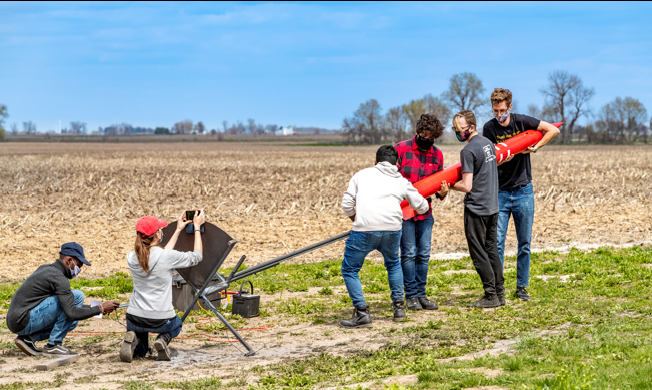
The Founder
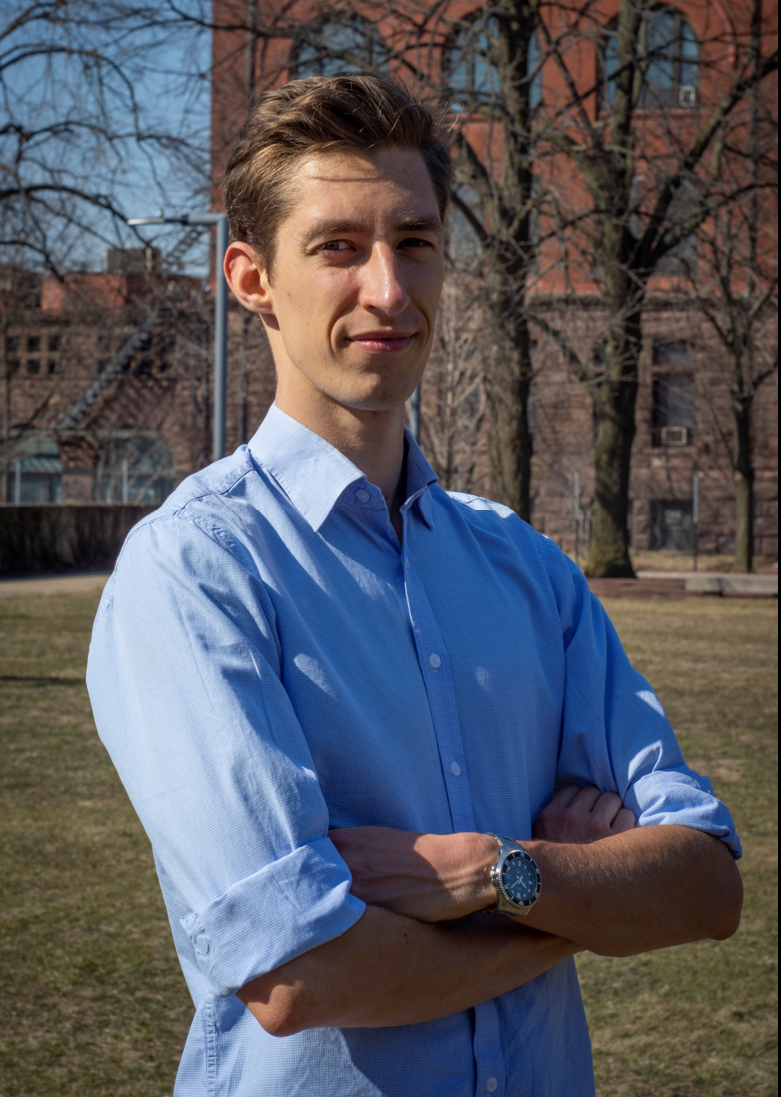
Maciej Grybko
Director
Maciej Grybko is an aerospace propulsion researcher and founder of Equilibrium Aerospace, specialising in hypersonic air-breathing propulsion systems. He has over a decade of experience in hypersonics and rocketry. During his PhD at the University of Southern Queensland, Maciej successfully demonstrated operation of a rotating detonation ramjet—an achievement previously reported only in Russia and China—marking a significant milestone in hypersonic propulsion research. Maciej has extensive experience across the full spectrum of rocket propulsion, including solid, liquid, and hybrid systems, and has contributed to the development and launch of multiple high-power rockets. His expertise covers both ground testing and flight testing, including propulsion system integration, instrumentation, and performance validation. In addition to experimental work, he has deep technical capability in hypersonic wind tunnel operation, high-speed diagnostics, data acquisition, and advanced data analysis. He is also experienced in computational fluid dynamics and simulation-driven design, enabling tight coupling between experimental results and predictive modelling.