Applications
Hypersonic Cruise Missiles
Hypersonic cruise missiles represent one of the most demanding applications for advanced propulsion technology. Our RDE system enables sustained hypersonic flight at ranges previously unachievable, giving defence forces unprecedented strike capabilities against time-critical targets.
The exceptional fuel efficiency of our detonation-based combustion translates directly to extended range and payload capacity. Missiles powered by our technology could engage targets at great distances while maintaining hypersonic speeds throughout their flight profile.
Produced as a single 3D-printed component, our engine unlocks a new cost paradigm for hypersonic weapons — enabling high-volume production at a fraction of the cost of conventionally manufactured systems.
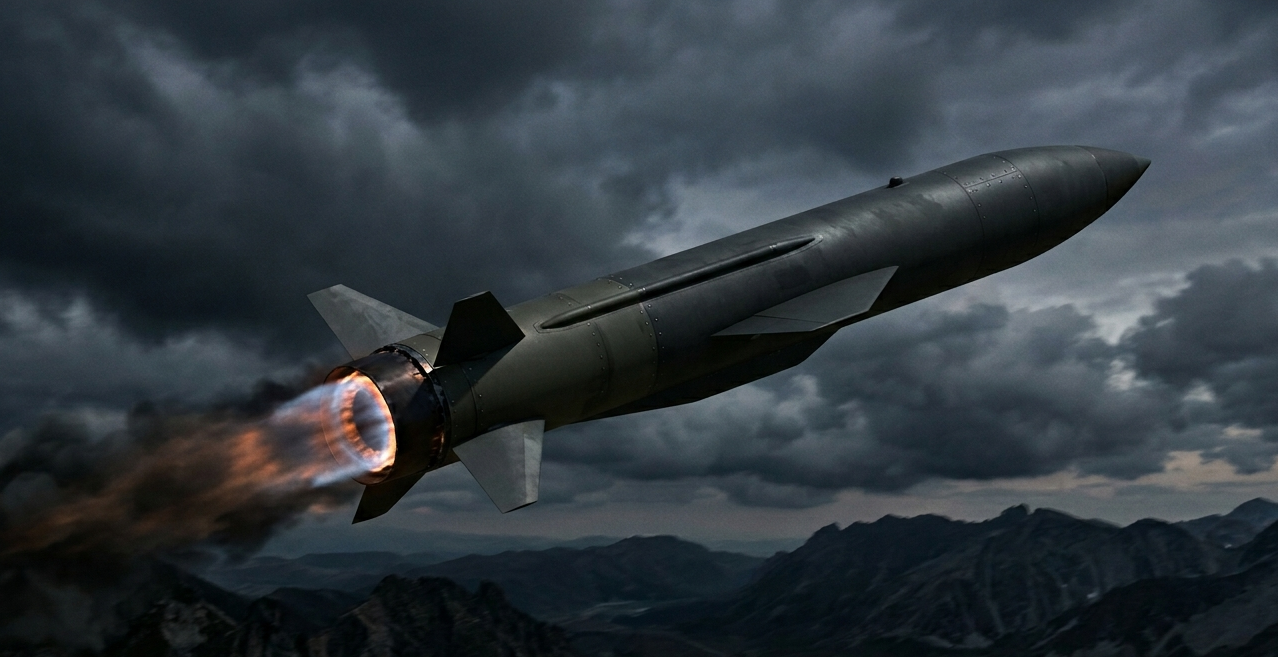
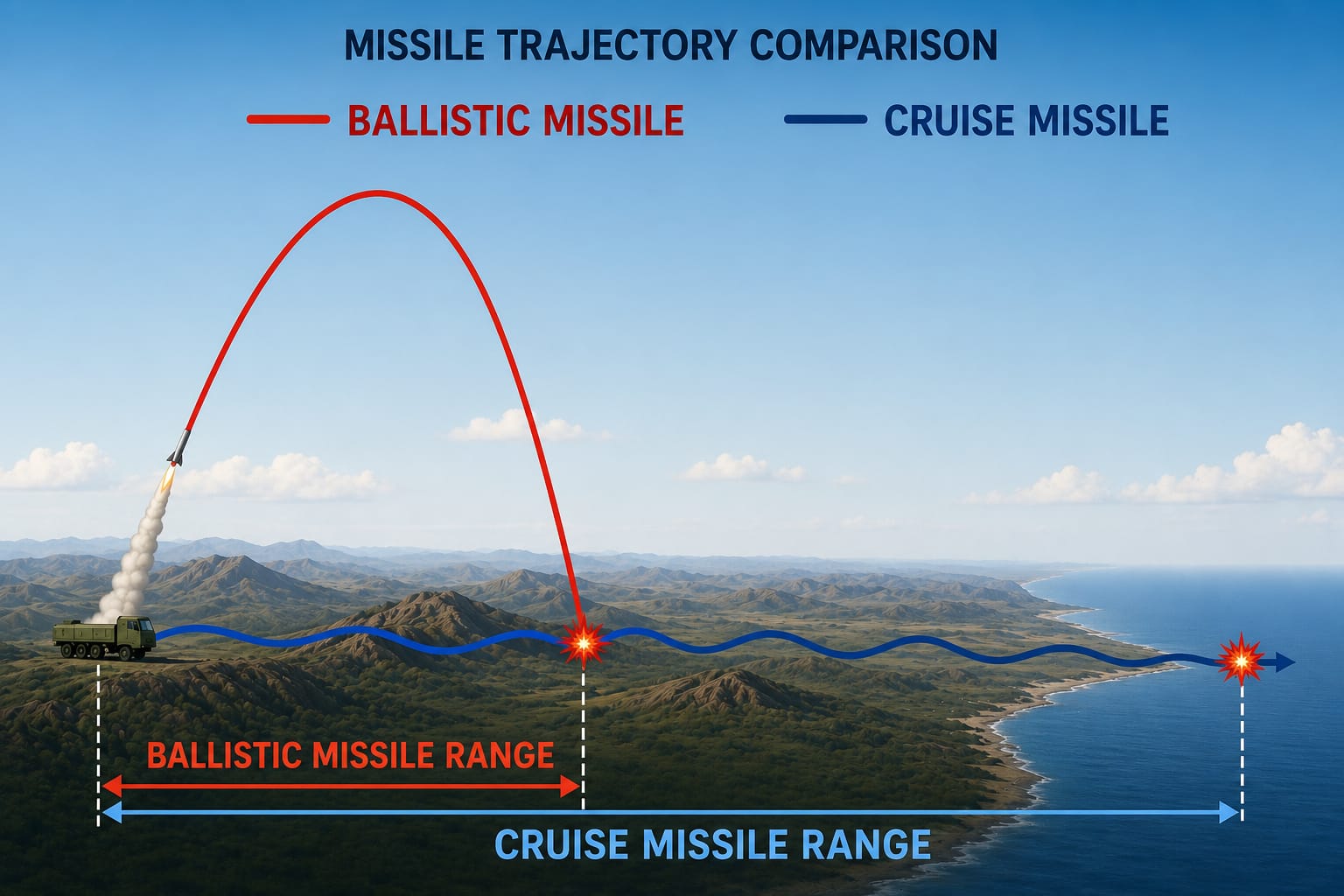
Combining the advantages of ballistic and cruise missiles
Traditional ballistic missiles follow a predictable parabolic trajectory, reaching high altitudes before descending on their targets. While fast, this flight profile makes them vulnerable to modern missile defence systems that can track and intercept them during their lengthy arc through space. Cruise missiles, by contrast, fly at low altitudes but are limited to subsonic speeds, making them slow and easier to engage.
Hypersonic cruise missiles powered by Rotating Detonation Engines represent the optimal combination: they maintain sustained thrust at speeds above Mach 5 at low altitudes. This flight profile dramatically reduces time to detect and engage for enemy air defences, while the compact propulsion system enables superior manoeuvrability compared to ballistic alternatives.
The Equilibrium Aerospace RDE delivers the efficiency and range of a cruise missile with the speed advantages traditionally associated with ballistic systems—without the vulnerability of a high-altitude trajectory. This makes it an ideal propulsion solution for next-generation strike platforms requiring both survivability and precision.
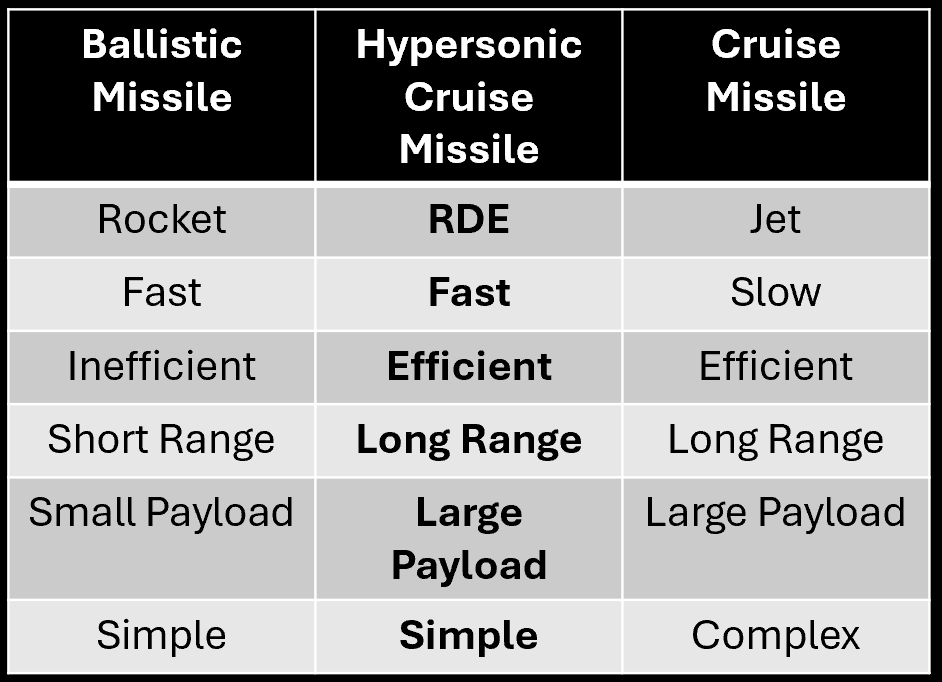
Cost, Scale, Performance Comparison
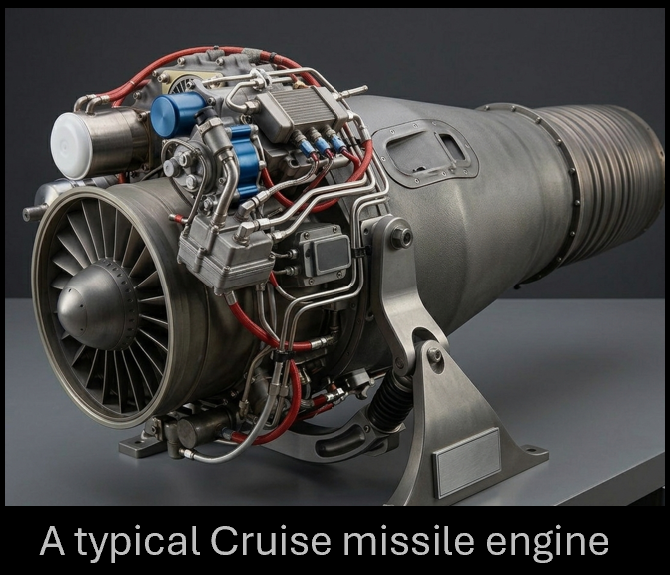
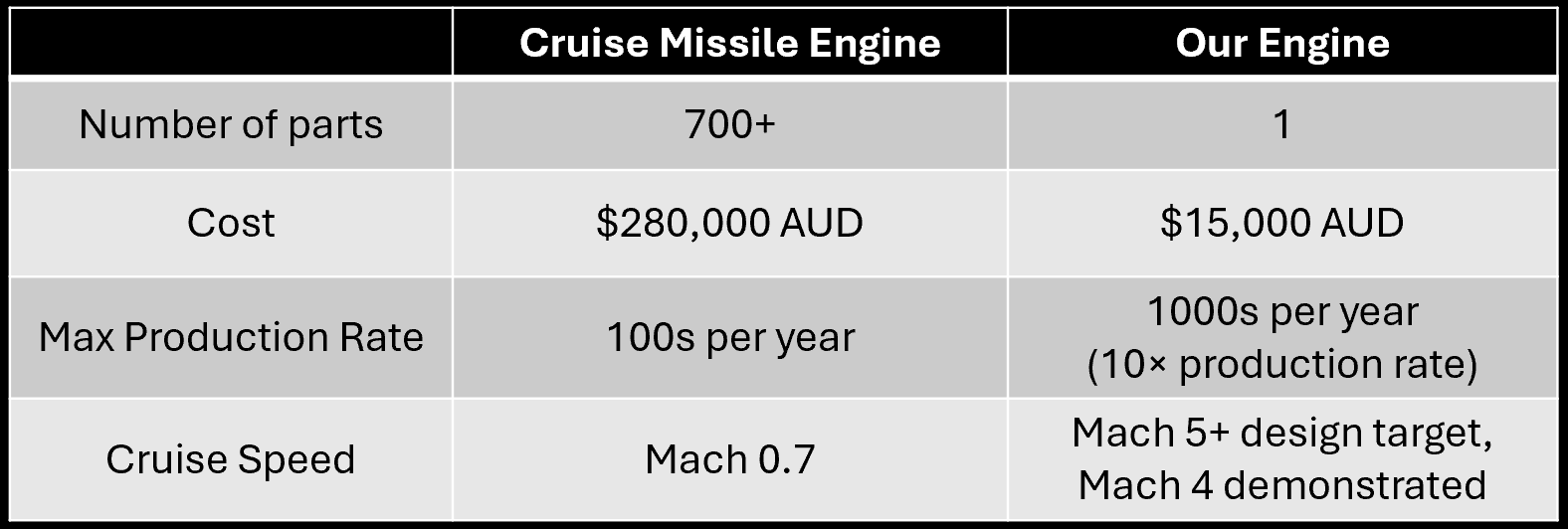
The cruise missile engine has been the workhorse of propulsion for decades, powering platforms like the Tomahawk. While proven and reliable, this conventional engine comprises 700+ individual parts, costs approximately $280,000 AUD per unit, and limits cruise speed to Mach 0.7—making it vulnerable to modern air defence systems.
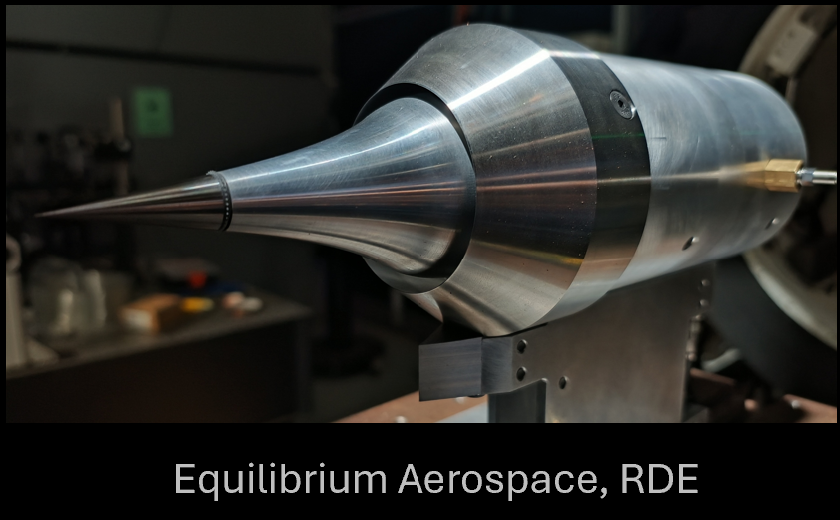
The Equilibrium Aerospace RDE fundamentally reimagines missile propulsion. With its simple annular geometry and no moving parts, our engine can be manufactured as a single 3D-printed component. This reduces unit cost to approximately $15,000 AUD while enabling production rates of 1,000s units per year—an order of magnitude higher than conventional turbofan manufacturing.
Most critically, our engine delivers cruise speeds exceeding Mach 5, transforming missile survivability and time-to-target performance. The combination of radical cost reduction, manufacturing scalability, and dramatic performance improvement positions the Equilibrium RDE as the clear successor to legacy turbofan propulsion for next-generation strike systems.